Person: Civilians, Political Leaders, and Local Patriots

  • Samuel Tucker

    Samuel Tucker

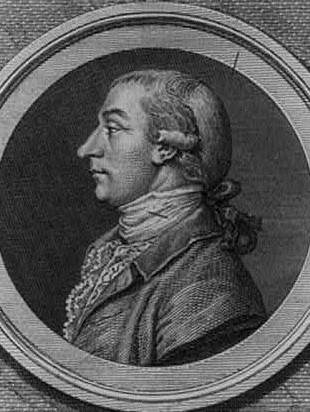
    I was born in New Jersey in 1721 and grew up with the tides of revolution rising around me. By 1775, I was living in Trenton and serving as president of the Provincial Congress of New Jersey. That summer and the next, I helped lead the colony through one of its most defining moments. On July 2, 1776, under my leadership, we declared independence from British rule. Days later, we adopted New Jersey’s first state constitution, laying the foundation for a new government.

    On July 8, 1776, I likely stood on the steps of the Trenton courthouse and read aloud the freshly signed Declaration of Independence to the people—a powerful, public break from the Crown. But freedom came at a price. In December of that same year, British forces occupied Trenton. I was captured and, to avoid imprisonment, accepted British protection. It was a decision that forced me to resign from my position on the New Jersey Supreme Court in 1777.

    Still, I couldn’t turn my back on the cause. In 1778, I swore allegiance to the new American government and returned to public life. My name faded from the headlines, but my commitment to the Revolution and to the founding of New Jersey never wavered.

  • Isaac Pearson

    Isaac Pearson

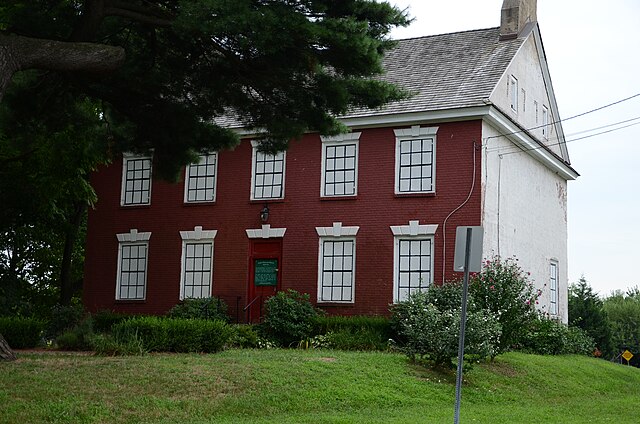
    I was born in 1741 and raised in a well-off family of merchants and landowners in colonial New Jersey. I lived in a house I built myself, a big Georgian-style place in Nottingham Township, made to show the kind of man I was — wealthy, educated, and respected. People came to me for decisions, and I gave them. I was the township clerk, a freeholder, a tax collector, a judge, and a delegate to the Provincial Congress. When trouble with Britain began to boil, I stood on the side of New Jersey, or at least that’s what most believed.

    But I didn’t make loud speeches, I didn’t wear a uniform, and I held back when others jumped forward. Some called it caution while some called it cowardice. Others whispered the word Loyalist.

    And then in 1776, the whispers turned violent. I was found dead not far from home, killed by men from the Continental Army. Some say they thought I was passing secrets to the British. Others say I knew too much and trusted the wrong people.

    No one was tried, and no one ever confessed.

    After that, my house stayed in the family for decades, but I was remembered mostly as a question mark. A local patriot, or a hidden loyalist. A victim, or a traitor. Maybe I was just a man who tried to live in the middle while the world split apart around him.

  • Joseph Reed

    Joseph Reed

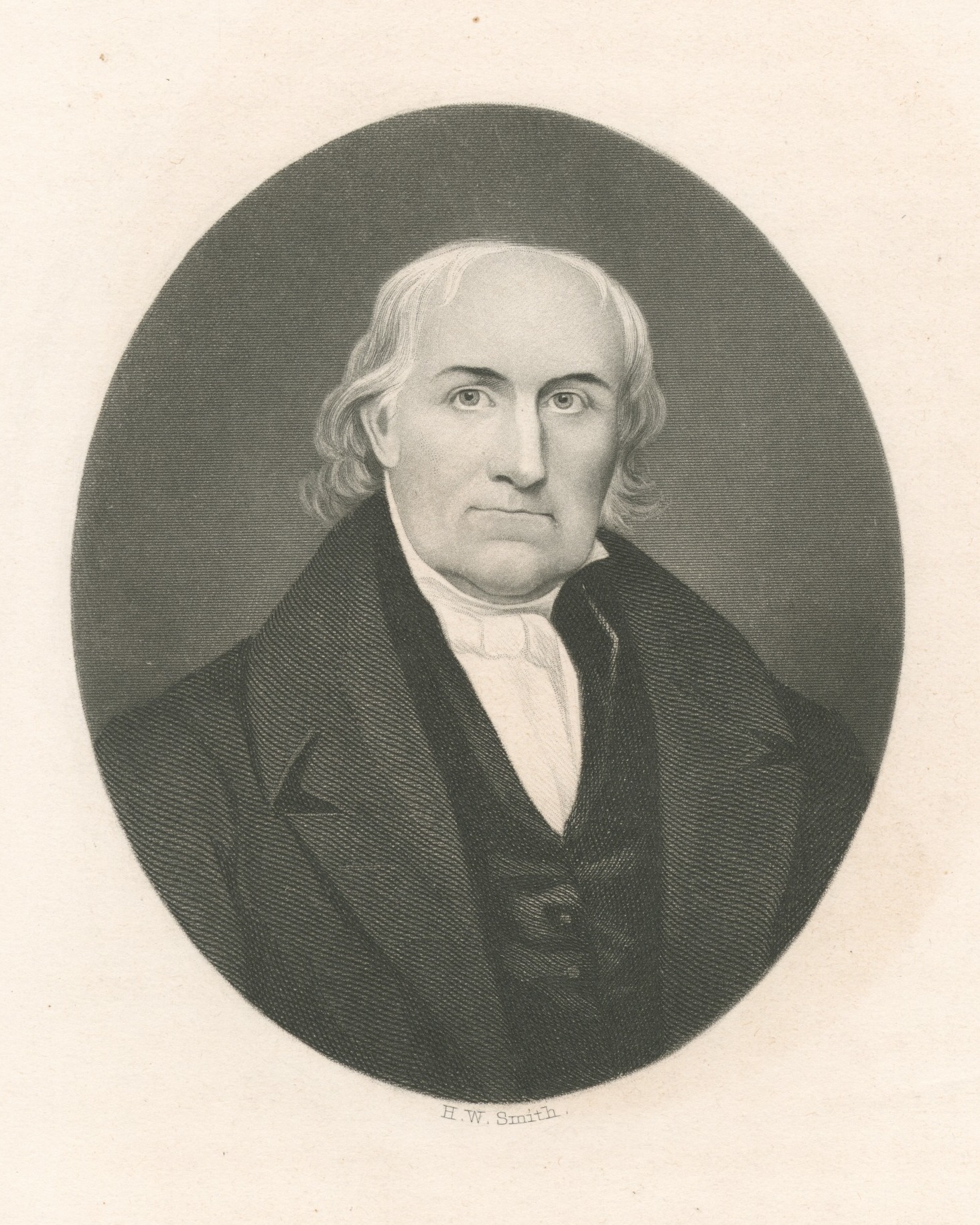
    I was a lawyer, a soldier, and a statesman. I stood beside Washington when it counted, and I called Pennsylvania home when it needed leadership most.

    I was born in New Jersey in 1741. I finished college at sixteen and went on to study law under Richard Stockton, then at Middle Temple in London. It was there I met Esther de Berdt. We married in 1770 and returned to Philadelphia. We would share six children. Our youngest, born in 1780, we named after George Washington — a tribute that came after years of shared battle and brotherhood.

    Before the war, I wanted reconciliation. I had no thirst for blood, only for peace and liberty. But when that hope died, I stepped into the fire. I helped lead the Committee of Correspondence. I presided over Pennsylvania’s Provincial Congress. I met Washington, who called me “a friend to his country and to liberty.” That friendship would change everything.

    In 1775, I joined the Continental Army as a lieutenant colonel. Washington made me his adjutant general, one of his closest aides. I helped plan the attack on Trenton. I rode into Princeton. I fought at Brandywine and Germantown. For a time, Washington and I were in lockstep. But a letter from General Charles Lee, intercepted and opened, shook that trust. It spoke doubts about Washington’s leadership. And though I stayed in the fight, our relationship would never fully recover.

    In 1777, I shifted from battlefield to government. I joined the Continental Congress and signed the Articles of Confederation. The next year, I became president of Pennsylvania’s Supreme Executive Council, a role that made me the de facto governor. I fought for soldiers’ pay, pushed for reform, and helped oversee America’s first gradual abolition law.

    I also clashed with Benedict Arnold. As military commander of Philadelphia, Arnold abused his power. I made sure it went to court. He was cleared of the worst charges, but the damage was done. His pride wounded, his loyalties shifted, and soon, he betrayed the very cause we bled for.

    After my term ended in 1781, I returned to law. My health declined. I was elected again to Congress in 1784 but had to turn it down. On March 5, 1785, I died in Philadelphia.

    I was a trusted aide, a sharp tongue, a steady hand. I stood near power but never chased it. And even as friendships cracked and battles raged, I stayed loyal to the cause.

  • Thomas Paine

    Thomas Paine

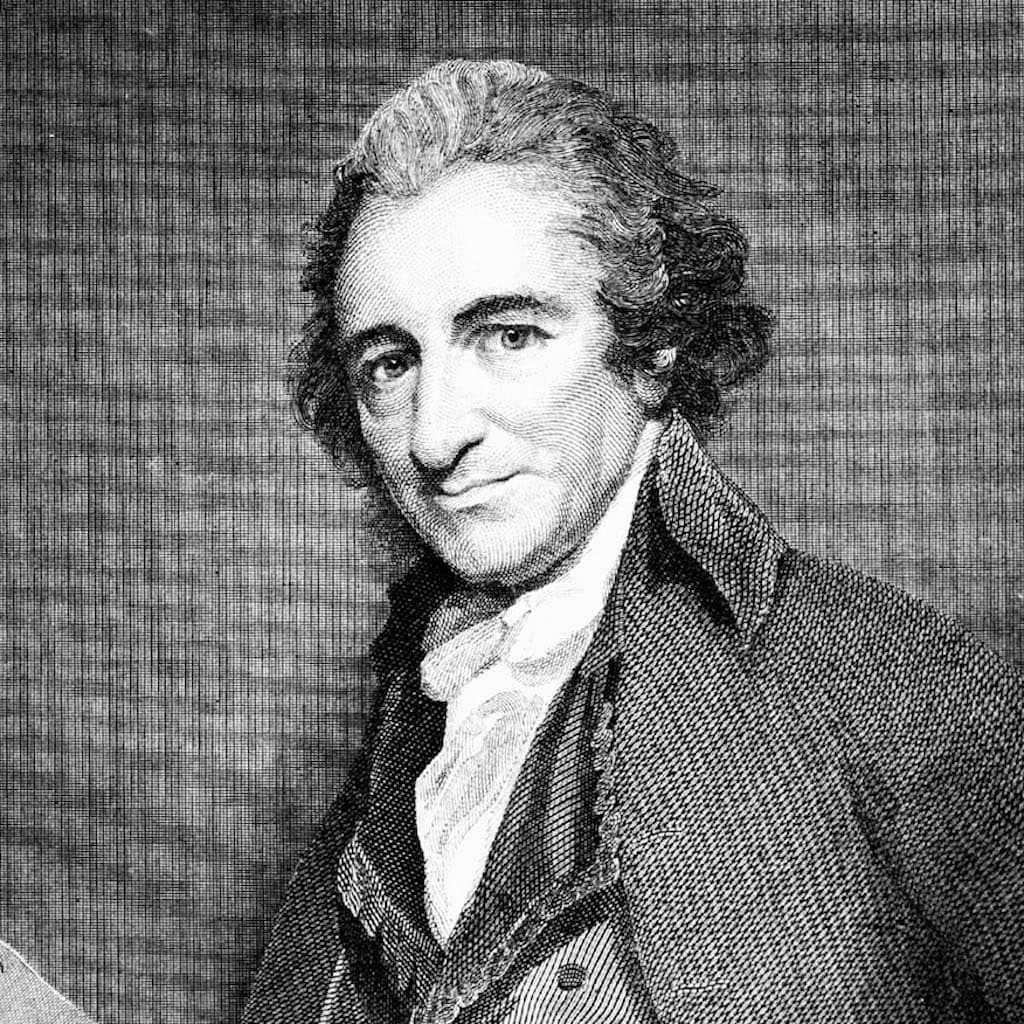
    I was born in Thetford, England, in 1737. My father was a Quaker corset maker. My mother was Anglican. I left school at thirteen, tried my hand as a sailor, then as a tax collector, and then found myself lost in the gears of British society. I wanted more than routine and obedience. I wanted revolution.

    In 1774, I met Benjamin Franklin in London. He saw something in me and helped me sail across the Atlantic. I landed in Philadelphia with little to my name but fire in my chest. The colonies were already angry. I gave them the words to sharpen that anger. In January 1776, I published Common Sense. It sold tens of thousands of copies and said out loud what others were too afraid to: the king was not a protector, the system was not broken—it was designed to oppress. I called for full independence. No more petitions. No more waiting.

    When the war got hard, I wrote again. The American Crisis. “These are the times that try men’s souls.” Washington had it read aloud to the troops before they crossed the Delaware. My words marched with them. I believed in a new world, not just for America, but for every nation that groaned under crowns and privilege. I fought for democracy in Pennsylvania. I wrote The Rights of Man in defense of the French Revolution. I was elected to France’s National Convention. I even went to prison for opposing the execution of the king. That nearly killed me. But I survived.

    Back home, though, I found fewer friends. I wrote The Age of Reason and criticized organized religion. I called out Washington himself for betrayal, for silence while I rotted in a French cell. It didn’t win me any favors. My words had helped spark a nation, but by the end, that nation had moved on.

    I died in 1809, alone and forgotten by many. But I never stopped believing. Freedom. Equality. Truth that the people could understand and fight for. I didn’t lead armies. I didn’t sign treaties. But I gave the people their voice. And that voice echoed through every battlefield and every ballot that came after.