Person: Black & Indigenous Figures

  • William Stives

    William Stives

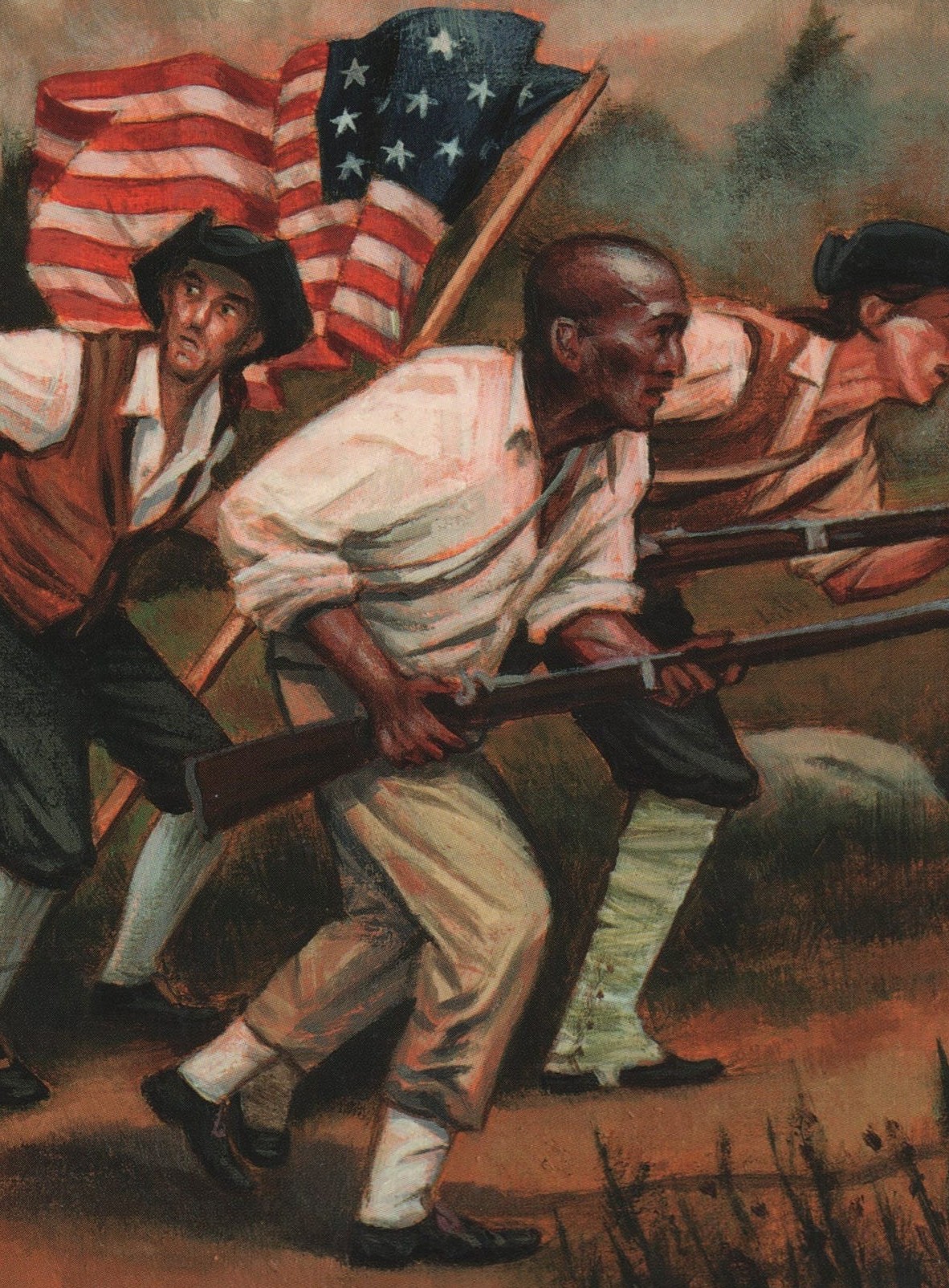
    I was a free Black person who fought for everyone’s freedom in the Revolution.

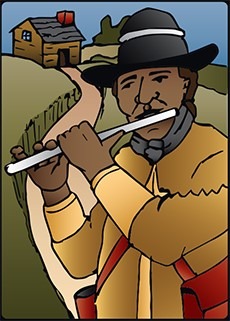
    I enlisted for the duration of the war as a fifer in the 3rd New Jersey Regiment. I endured the terrible winter of ’77-’78 at the Valley Forge encampment. When summer came, we crossed the Delaware River and camped out in northeastern Hopewell Township, NJ for several days. I decided that one day I would try to make my home there. On June 28, we fought the British all day, in horrendous heat, at the great battle at Monmouth.

    In the summer of 1779, my regiment participated in a campaign led by General John Sullivan against the Iroquois Indians, primarily in New York State. That winter we lived in log huts at Jockey Hollow at another frigid encampment outside Morristown, and that spring I fought in the Battle of Springfield. In 1781, I participated in the victory at Yorktown.

    After my service, I married Catherine Vanois in 1789 and together we raised ten children. In 1791 I achieved my dream of owning a home when I purchased farmland in the Sourland Mountains of Amwell Township, Hunterdon County.

    I lived a long life and died at 82 on August 24, 1839. I’m proud that my obituary states that my “deportment in private life was well worthy of imitation, both as a man and a Christian.”

  • Prime

    Prime

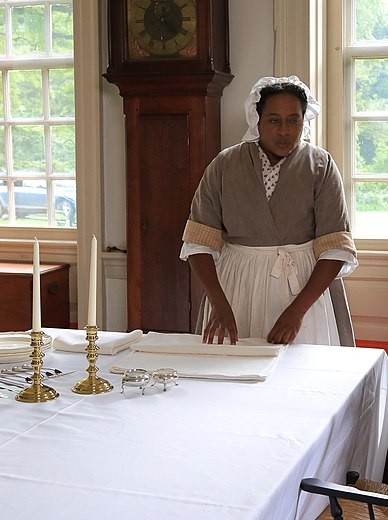
    I was born in Africa and taken from my homeland as a child. I arrived in Princeton, New Jersey, enslaved and brought into the household of Dr. Absalom Bainbridge, a respected physician who would later declare loyalty to the British crown. I was known as Prime. I lived and labored in the Bainbridge House on Nassau Street, tending to my master’s needs while the country around us moved toward revolution.

    When the war began, Bainbridge fled Princeton and joined the British army as a surgeon. I was left behind, handed off to relatives, moved from house to house. I ran away in 1778, escaping back to Princeton, where I hoped to live free. But freedom was not simple. I was captured and nearly sold again, until a man named Jacob Bergen, troubled by the idea of liberty being won while I was still being treated like property, urged me to join the Continental Army. I became a waggoner, serving in the American forces, hoping my work would earn my freedom.

    After the war, I lived in Trenton, thinking myself free. But in 1784, I was seized and re-enslaved by a man who claimed to have bought me years before. A court case followed, dragging on for two years. The jury ruled in my favor. Still, I was not free. I now belonged to the state of New Jersey.

    So I petitioned the legislature. I told them I had served their cause. That I had earned my liberty. That no man should live in bondage after fighting for freedom. On November 21, 1786, they agreed. They passed an act to set me free. I became one of only three enslaved men in New Jersey granted freedom by legislative decree for service in the Revolution.

    After that, I disappear from the records. My name—common as it was—makes me hard to trace. But my fight, my service, and my petition live on. I was Prime. And I carved my name into the story of American freedom, even when others tried to erase it.

  • Prince Whipple

    Prince Whipple

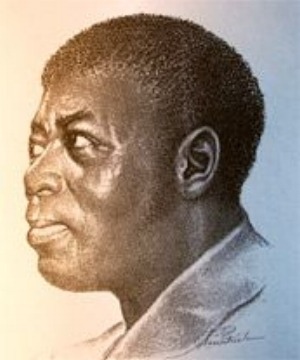
    I was born around 1750 on the coast of Africa. When I was just ten years old, I was taken from my homeland and brought across the Atlantic to Portsmouth, New Hampshire, where I was sold into slavery. I became the property of William Whipple, a merchant who would go on to sign the Declaration of Independence and serve as a general in the Continental Army. I served him as a body servant, and in time, as a soldier in the fight for American independence.

    I fought at Saratoga, and later in Delaware, alongside the men who called themselves Patriots. Though I wore no rank, I stood for the freedom that many claimed to fight for, even as I remained in chains. In 1779, I was one of twenty African men who petitioned the New Hampshire legislature for our freedom. We wrote that we had been taken from our lands as children, without defense, and now sought liberty in the land of liberty. The petition was tabled, and no action was taken. Still, we had spoken. In 1781, I married Dinah on her twenty-first birthday—the same day she was freed. I remained enslaved until 1784, when William Whipple finally granted my freedom. After his death, his widow allowed me to move a small house onto her land. There, Dinah and I raised seven children, sharing the space with another freed family.

    I died in 1796 at the age of 46. I am buried in North Cemetery in Portsmouth, not far from the grave of the man who once owned me. My wife, my daughter, and my granddaughter rest beside me. Some say I crossed the Delaware with Washington. Whether I did or not, I lived the struggle for freedom every day.

  • Lenni-Lenape

    Lenni-Lenape

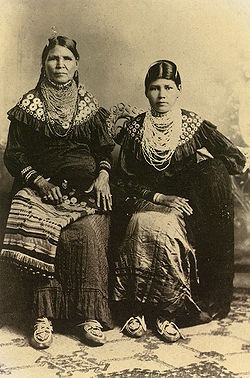
    I was a Lenni-Lenape, born of a people whose roots stretch back over 13,000 years on this land we called home. Long before Europeans arrived, we walked the trails of what is now New Jersey, traded along its rivers, and lived in balance with the earth. When the Dutch and English came, we welcomed trade but guarded our lands. We were called Delaware by the settlers, but we were always Lenape.

    Over time, we were pushed from our homes. Disease devastated our villages. The Walking Purchase of 1737 robbed us of our land through false promises. And yet, we endured.

    When the Revolution came, we hoped for peace. In 1778, we signed the Treaty of Fort Pitt with the new American government. We offered them alliance, warriors, and friendship. In return, they promised supplies and a homeland governed by us. But the promises were broken. Our leader, Chief White Eyes, was killed under suspicious circumstances. American troops attacked our villages. Many of us, once hopeful, turned away.

    By the end of the war, most of us had left New Jersey. Some moved west to Pennsylvania and Ohio. Others traveled to Canada, Kansas, and eventually Oklahoma. Those who remained were forced to assimilate, their children taught to forget our ways.

    We were traders, diplomats, warriors, and healers. We held the land for thousands of years. And though we were pushed out, we never disappeared.

  • Oliver Cromwell

    Oliver Cromwell

    I was a free black man who proudly served my new country.

    My origins are a little mysterious, I was born in the village of Black Horse in Burlington County, and some believe I was a mulatto – with white and black parents – while others think I may have been Indian. I was probably a mix of European, African, and Native American.

    I was a free farmer, but in February 1777 I enlisted in the Second New Jersey Continental Regiment for the duration of the war. Recruits of color like me were not always welcomed in the army, but I was allowed to enlist and proud to serve. And my service was impressive. I fought at the battles of Short Hills, Monmouth, Brandywine, Springfield and the great victory at Yorktown. When I was discharged in June 1783, my six faithful years of service earned me the “Badge of Merit.”

    But my story doesn’t end there. In 1818, the United States Congress passed a law to provide pensions to former Continental soldiers in need. I applied in 1818 and again in 1820, and was awarded a pension of $96 a month.

    I loved to tell stories about the Revolution to anyone who would listen. In 1850, I told a census taker that I was 97 years old and that my occupation had been “drummer in the Revolution.” I died shortly thereafter, in 1853, about 100 years old, and I was buried in the cemetery of Broad Street Methodist Church in Burlington.

  • Jacob Francis

    Jacob Francis

    I started life in servitude and ended it in freedom.

    I was born in Amwell Township, Hunterdon County in 1754. My mother was a black woman and I was an indentured servant for a local farmer. My servitude was resold several times until I was about 13 years old, and my last master Joseph Saxton took me to New York, St. John in the Caribbean, and finally Salem, Massachusetts. When my servitude expired and I became free in January 1775, I enlisted in the 16th Continental Regiment, using the last name Gulick which came from one of my previous owners.

    When the British left Boston, the Continental Army went to New York City, and I fought in battles on Long Island and White Plains, before the Retreat Across New Jersey took us to Pennsylvania. On Christmas Night, 1776, I was part of Washington’s Crossing during the Ten Crucial Days battles at Trenton and Princeton.

    Several days later at the beginning of 1777, I went home to Amwell to find my mother was ill. She told me my real last name was Francis so I became Jacob Francis when I joined the Third Hunterdon militia, and was in service every other month for the rest of the war. One time, I was captured during a skirmish with some Hessians, but I was able to escape and rejoin my company.

    After the war, I purchased a black woman named Mary, and we were married in September 1789 at the home of her former master. I lived a long life and died on July 26, 1836.

  • Susannah (Clarke Family Slave)

    Susannah (Clarke Family Slave)

    I was the Clarke Family Slave and witnessed the Battle of Princeton. The battle that took place on the farms of my owners was something that we did not at all expect. My seven owners were all related and were Quakers; people who were pacifists and did not want to be involved in the war on either side. They were farmers who worked hard each day to produce food for their families and neighbors. We knew the British had troops stationed in Princeton on the morning of January 3, 1777, but had seen most of them march south the day before toward Trenton, where they had fought against General Washington’s troops. We had no idea how that battle had gone but, as always, put our efforts into doing the best we could with our farms that had suffered from pillage by the British troops at Princeton for over three weeks. We were missing animals and food supplies put up for the winter.

    At the house of two of my owners, siblings Thomas and Sarah Clarke, the morning farm chores were underway when all of a sudden men began marching towards Princeton in front of our farmhouse on an old, little-used road that led to the east side of Princeton. They were disheveled men belonging to General Washington’s army, not the red coat British or blue coat Hessians, and it seemed that there were several thousand of them. As we watched, a group of several hundred men broke off and headed across the neighboring farm of William Clarke towards the Post Road [also called the King’s Highway]. Unknown to us, at that moment most of the British troops remaining in Princeton were marching on that road towards Trenton to join General Cornwallis there.

    British soldiers on the road saw the American troops and sent some men to attack them. Very quickly, a battle took place on William’s and our farms, badly scaring us and causing some damage to our house. After the firing ceased, Washington’s troops carried some severely wounded and bleeding men into our house, and I helped Mistress Sarah Clarke along with other Quakers and army doctors take care of them for many days after the battle.